
A site can look polished and still lose clicks in seconds. If we’re choosing hosting, a missing SSL certificate can scare people away before they read a word.
A secure site does more than hide data. It shapes how search engines view the site, how visitors feel, and how often a visit turns into a sale. That’s why HTTPS belongs on every serious website. Let’s see why it matters.
SSL helps SEO by removing friction
SSL turns HTTP into HTTPS, which encrypts data between the browser and server. Search engines have treated HTTPS as a positive signal for years. Still, the real gain is bigger than one small ranking factor.
A secure site creates less friction. People don’t hit a warning and bounce. They stay, browse, and trust forms enough to use them. Over time, those cleaner user signals help pages perform better. Recent coverage on SSL and SEO performance in 2025 makes the same point, SSL helps, but mostly because it supports a healthier site.
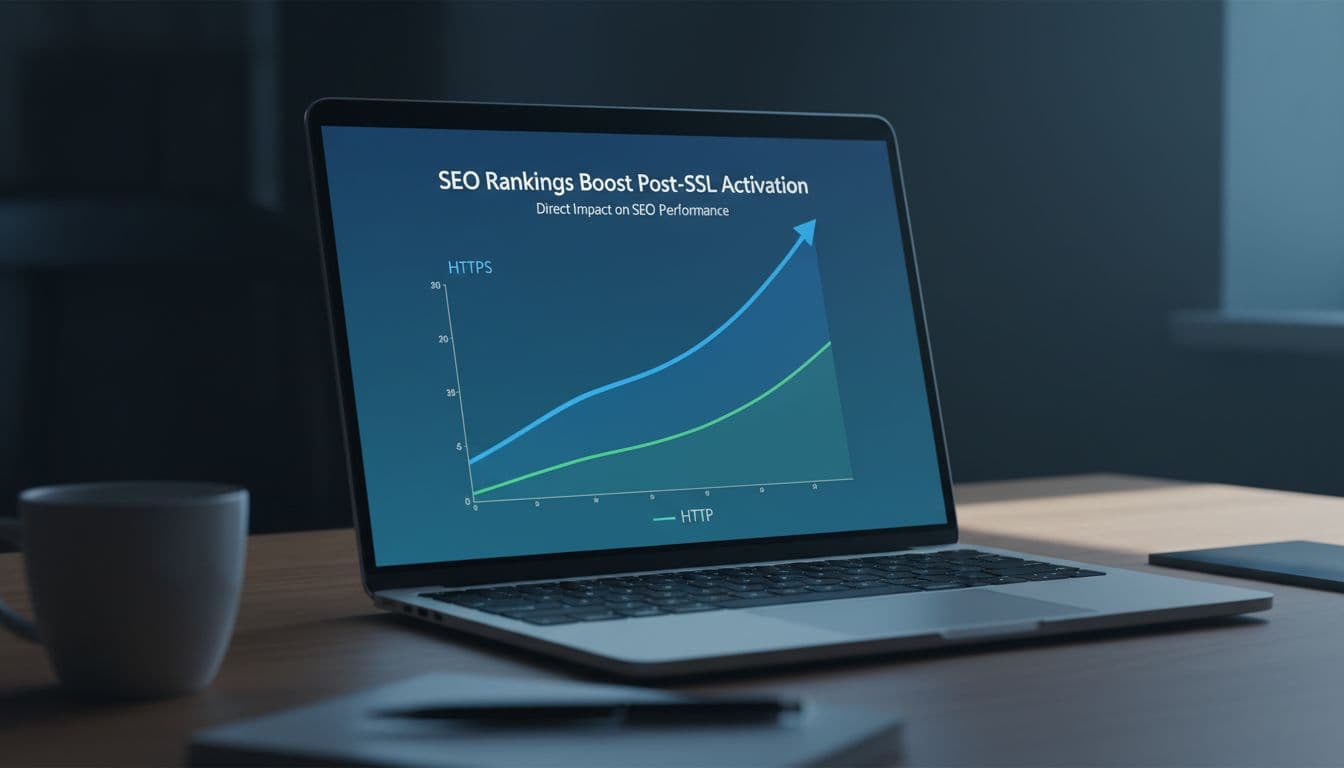
Search results don’t happen in a vacuum. If visitors click through and instantly see a browser warning, our bounce rate rises. Our chance to earn links, shares, and repeat visits drops, too. Security shapes user behavior, and behavior shapes growth.
The phrase ssl seo often gets treated like a trick. It isn’t. It’s more like putting a strong lock on the front door. The lock doesn’t build the house, but nobody feels good walking through a broken entrance.
There’s another angle as well. If both HTTP and HTTPS versions stay live, or if a certificate expires, we create crawl mess and user doubt at the same time. That’s why HTTPS belongs inside a wider technical setup. Our technical SEO checklist for small businesses shows how SSL fits with page speed, crawl control, and clean site structure.
SSL won’t lift thin content to the top, but it removes a trust issue that can hold solid pages back.
So yes, SSL can help rankings. No, it won’t rescue weak pages or slow hosting. It clears a basic obstacle, and that makes every other SEO win easier to keep.
Trust turns security into sales
People buy when they feel safe. That sounds simple, yet many sites still ask for email addresses, passwords, or card details on pages that feel shaky. A browser warning at that moment works like a red flag on the store door.

SSL changes the mood fast. The padlock icon, HTTPS address, and lack of warnings tell visitors the site takes their data seriously. That matters on checkout pages, but it also matters on quote forms, booking forms, and login screens. Even a basic service site asks people to trust it with personal details.
There’s a branding angle, too. A secure site looks maintained. An insecure one feels neglected, even when the product is good. People read those cues fast, and they act on them even faster.
That trust affects sales in plain ways. More visitors stay on the page. More forms get finished. More carts make it through checkout. A helpful breakdown of trust signals from SSL connects those same dots between visible security and buyer confidence.
We should also think about the cost of getting it wrong. An expired certificate can stop sales cold. Mixed content, when a secure page still loads insecure files, can break the padlock and raise fresh doubt. Trust is hard to earn and easy to crack.
That is why SSL isn’t a nice extra for online stores. It’s part of the sales path itself. If we’re asking people to pay, sign up, or reach out, HTTPS should already be doing its job.
The easiest fix is hosting that includes SSL
Installing SSL should take minutes, not a week of support tickets. When we start with hosting that includes it, we save time and lower risk from day one.
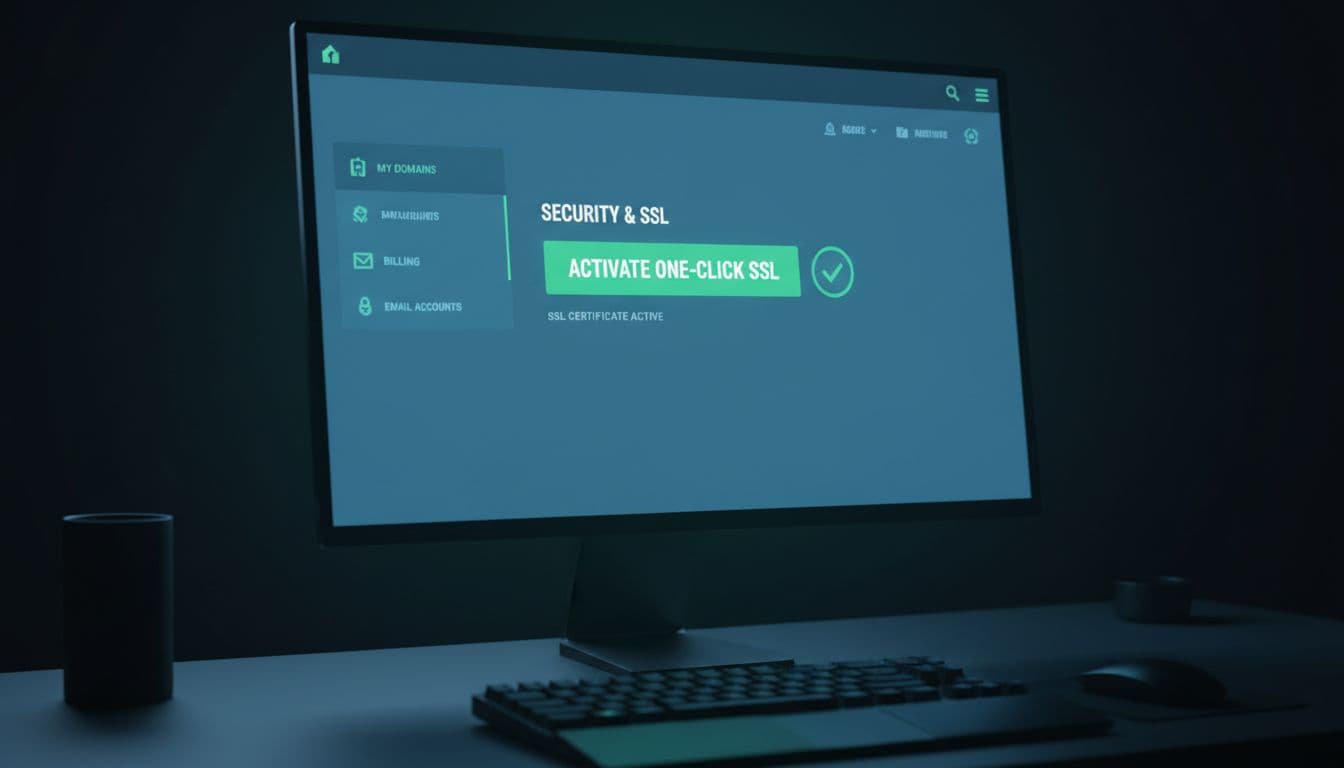
That is one reason our business web hosting plans make sense for growing sites. We get fast setup, solid performance, and free SSL on most plans, instead of piecing together security after launch. For WordPress sites, stores, and service businesses, that means less busywork and fewer chances to miss a renewal.
Good hosting also makes the move cleaner by forcing one preferred HTTPS version and cutting simple setup mistakes. That matters because SSL without strong hosting is like a lock on a weak door. Speed, backups, support, and security work better together.
When we compare hosting, we want a few things built in:
- Automatic SSL setup, so HTTPS goes live fast
- Renewal handling, so certificates don’t lapse at the worst time
- Strong performance, because secure pages still need to load quickly
- Support and monitoring, so issues get fixed before visitors notice
As HTTPS as a ranking signal points out, secure browsing is now part of basic site quality, not a premium extra. So if we’re launching a new site or moving an older one, this is the clean move. Start with hosting that handles SSL well, then build traffic and sales on top of that safer base. That lets us focus on content, offers, and growth, not certificate errors.
A missing certificate can cost us twice, first in search visibility, then in lost confidence at checkout. A working SSL certificate does the opposite. It supports trust, keeps visitors calm, and helps our best pages do their job.
If we want more sales without more friction, we should start with secure hosting and turn on HTTPS from day one. Small change, big effect.