
A website doesn’t need five pages and a month of work to start bringing in leads. For many small brands, a one-page business website is the fastest way to look established, explain the offer, and win a call, booking, or sale.
What slows most launches isn’t design. It’s picking tools that are easy now and still solid next month. So let’s start with the part that makes every fast launch easier, hosting.
Start with hosting that removes friction
Speed starts before design. If the host feels clunky, the whole project drags. A one-page site may be simple, but it still needs uptime, SSL, backups, and room to grow.
When we want the shortest path, our ZADiC Website Builder is the easy pick. It gives us a hosted setup, a drag-and-drop editor, and a fast way to publish without code. If we want more control later, we can add a custom domain, business email, and extra site protection without rebuilding from scratch.
Before opening any editor, gather four things:
- One headline that says what we do.
- One main offer or service group.
- A few trust signals, such as reviews or years in business.
- One clear call to action, such as book now or request a quote.
That prep work saves hours because it cuts indecision. We aren’t building a magazine. We’re building a focused sales page for a real business.
Many owners get stuck because they try to plan a full website first. A lean plan works better. This guide to one-page website content shows how a single page can cover the basics without feeling thin.
Hosting also shapes trust. If the site loads slowly or shows a browser warning, visitors leave. That’s why we like hosting that gives us strong performance, simple management, free SSL on many plans, and 24/7 support when we need a hand. When a lead lands on the page, the site should feel calm, fast, and ready.
Build a page that sells in one scroll
A one-page business website works like a storefront window. In a few seconds, people should know who we help, what we offer, and what to do next. If that message is fuzzy, the page fails even if it looks polished.
Why make visitors hunt for answers? A one-page layout works because it keeps the path short.
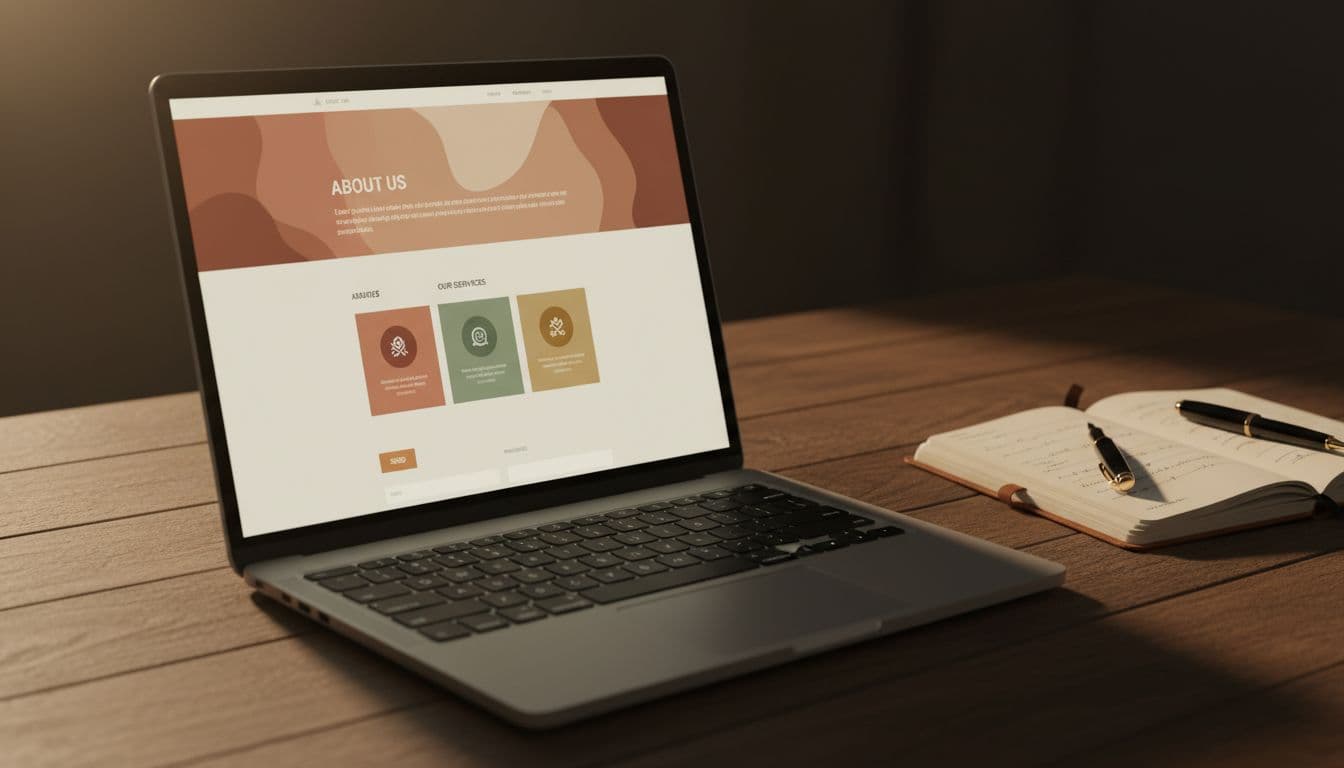
The top section carries the most weight, so keep it plain and strong. Use a short headline, one supporting line, and one button. After that, move into a brief about section, a small services block, proof, and a contact section. That’s enough for most local services, consultants, creators, and early online stores.
If visitors have to guess what we sell, we’ve already lost the click.
The best layouts feel simple because each section earns its place. We don’t need sliders, sidebars, or five competing buttons. We need one path. For example, a cleaner might lead with same-day service, show service areas, add two reviews, and end with a quote form. Clean. Fast. Credible.
If we want more design freedom, our ZADiC WordPress hosting gives us a solid base for themes, one-click installs, and one-page builders. WordPress is a smart fit when we want stronger content control or plan to add pages later. For extra ideas, WordPress.com’s step-by-step guide shows how a single-page layout can stay clear without code overload.
Keep the copy tight. Lead with outcomes, not company history. Show prices only if they help buyers act faster. Add a real phone number, a short form, and social links if buyers expect them. Every section should answer the same quiet question in the visitor’s mind: can this business help me right now?
Make it fast, mobile-friendly, and ready to launch
Most visitors won’t see our site on a big monitor. They’ll see it on a phone, between errands, with one thumb. So the page has to load fast, stack neatly, and make the main action easy to tap.
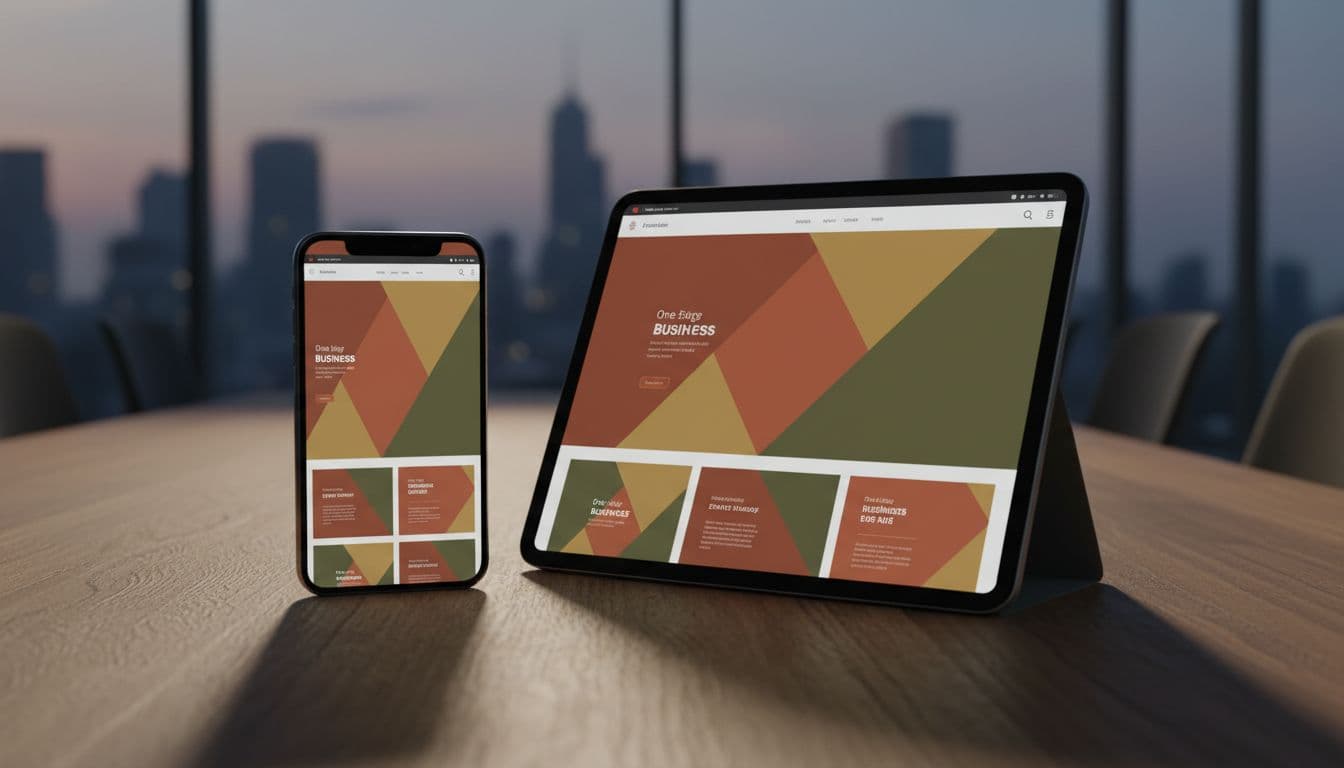
Start with image size. Large files slow everything down, so compress them before upload. Next, keep fonts simple and limit motion. A one-page business website should feel quick, not flashy. Also test buttons, maps, and forms on a real phone, not only inside a desktop preview.
Speed matters for trust, but safety matters too. Use SSL from day one. Turn on backups. If the business depends on leads, add site security and monitoring instead of hoping nothing breaks. That’s where solid hosting pays for itself, because we aren’t left fixing problems alone late at night.
A fast launch also means knowing when to stop editing. This step-by-step business example is a good reminder that simple often converts better than busy. Publish the clean version first, then improve after real visitors start clicking.
Launch first, polish next week.
Before going live, run one final check. Read the page out loud. Click every button. Send the form. Then connect the domain, turn on professional email, and publish. A one-page site isn’t small thinking. It’s focused thinking, and that focus helps us start selling sooner.
Months of planning rarely beat a page that’s live, clear, and easy to contact. A one-page business website works when the offer is sharp, the hosting is strong, and the layout points to one next step.
If we want the quickest route, our site builder gets us there. If we want more room to customize, our WordPress hosting gives us that path.
Let’s pick the setup, claim the domain, and publish. The website that wins is the one we stop postponing.