
Buying a domain can expose more than our brand name. In many cases, it can also expose our name, email, phone number, and mailing address.
If we’re running a small business, especially from home, that’s a problem we don’t need. Domain privacy protection is one of the easiest ways to cut that risk early, before spam, scams, and fake renewal notices start piling up.
Before we buy hosting or register a name, it helps to know what this feature actually changes.
What domain privacy protection actually does
When we register a domain, our contact details may appear in public registration records, often still described as WHOIS data. Domain privacy protection replaces that public information with proxy details from the registrar. Our provider still knows who owns the domain. Random strangers don’t.
For a plain-language overview, Wix’s explanation of domain privacy protection covers the basic idea well, while this guide on how WHOIS privacy works goes deeper into the mechanics.
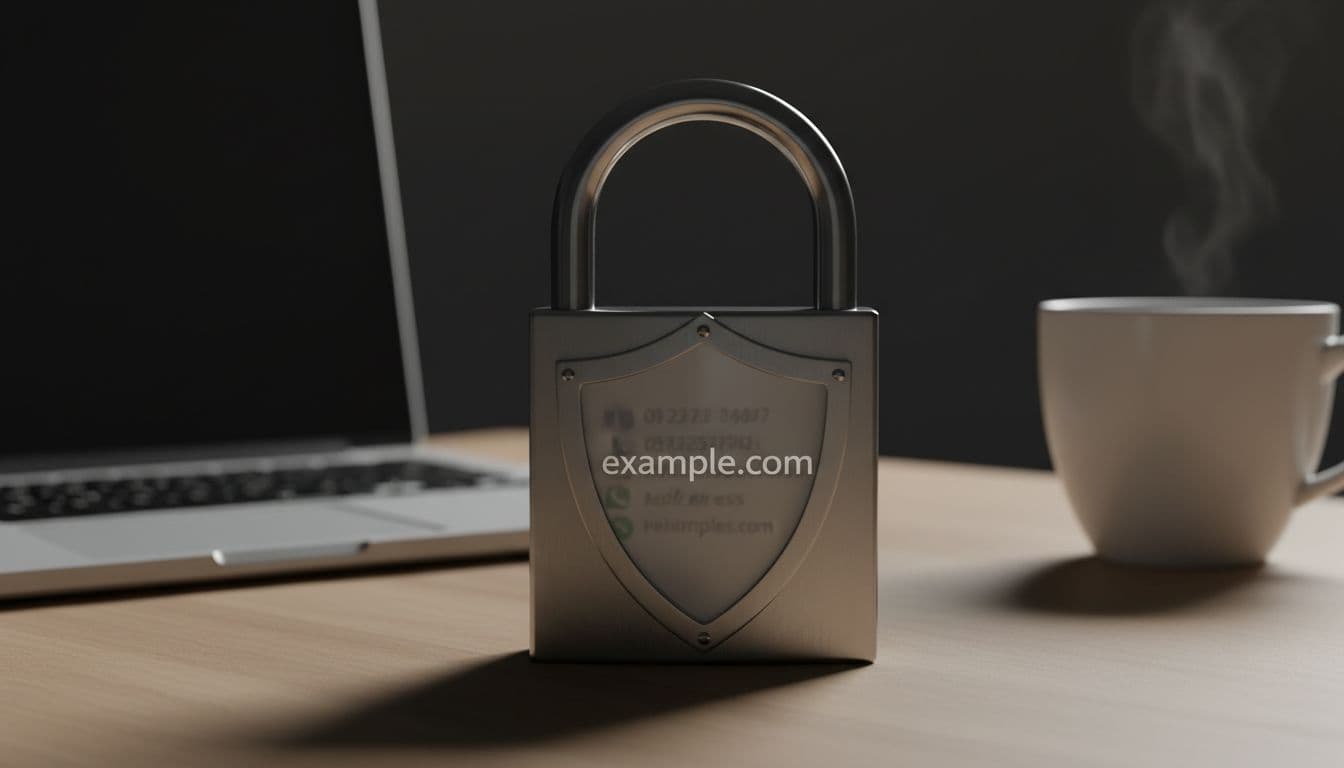
That matters because public domain records are easy to scrape. Spammers love them. Scammers do too. If our email or phone number sits in plain view, we can expect junk messages, fake invoices, and shady “urgent domain renewal” emails.
Still, this feature has limits. It doesn’t encrypt our site. It doesn’t stop malware. It doesn’t replace SSL. In other words, it hides our contact details, but it doesn’t secure the whole business by itself.
Domain privacy protects our identity in domain records, but we still need hosting security, SSL, and smart email habits.
This quick comparison shows the difference:
| Without privacy protection | With privacy protection |
|---|---|
| Personal contact info may be public | Proxy contact info appears instead |
| More spam and scam attempts | Less direct exposure |
| Home address may be visible | Home address stays private |
| Extra noise after registration | Cleaner inbox, fewer distractions |
That’s why many small business owners add the feature the same day they buy the domain.
Why small businesses should care sooner, not later
A big company might have a legal team, separate office address, and dedicated inboxes. Most small businesses don’t. We often use one phone, one email, and one address to run everything. So when those details become public, the risk feels personal fast.
Home-based businesses have even more to lose. If our bakery, repair shop, or online store runs from our house, domain privacy protection helps keep business growth from turning into unwanted exposure.
There’s also a brand angle. A public domain record can feed spam, phishing attempts, and impersonation. One fake message sent to the wrong team member can waste hours. Worse, it can trick us into clicking the wrong link or paying the wrong invoice. That’s why articles like why small businesses still need domain privacy keep coming back to the same point: this is a small barrier that blocks a lot of noise.
Cost isn’t usually the obstacle. Current pricing often lands between $0 and $15 per year per domain, and many hosts include it. That’s a tiny spend compared with the time lost to spam, fake notices, or cleanup after a phishing mistake.
In April 2026, broader privacy rules also matter more than ever. States like California, Indiana, Rhode Island, and Connecticut have updated or expanded privacy rules around customer data. Domain privacy protection doesn’t replace a website privacy policy or consent handling. However, it fits the same smart habit, which is sharing less public data whenever we can.
What to look for when we buy domain privacy protection
The best setup is the one that removes friction. We should be able to register the domain, add privacy protection, turn on SSL, connect hosting, and manage renewals from one account.
That bundled approach saves time, but it also lowers mistakes. When our domain, website, security, and email live in different places, small jobs turn into messy jobs. When they live together, setup feels lighter and support gets simpler.
What deserves a quick check before checkout
- We should confirm whether privacy protection is included or billed as an add-on.
- We should check renewal pricing, because a low first-year price can hide a higher renewal later.
- We should pair privacy with SSL, because privacy hides contact details while SSL protects data in transit.
- We should look for hosting, email, backups, and support in the same dashboard if we want fewer moving parts.
- We should verify that DNS edits, transfers, and domain forwarding are easy to manage.
For many small businesses, this is where a good hosting platform wins. We don’t only need a domain. We need a site that loads well, an SSL certificate, a professional email address, and support when something gets stuck. Privacy protection works best as part of that full setup, not as a lonely add-on hanging off the side.
A provider that combines domain registration, website hosting, SSL, and business email gives us speed, control, and fewer loose ends. That’s the real sales point, and it’s a fair one. We buy less hassle, not only one feature. If we want another perspective on the business case, this take on why domain privacy matters frames it in plain terms.
A small add-on that earns its keep
Skipping domain privacy protection is a bit like printing our business card with our home address on both sides. It may not cause trouble on day one, but it gives strangers more than they need.
If we’re buying a new domain, the smart next step is clear. Add domain privacy protection at checkout, then pair it with reliable hosting, SSL, and business email in one place, so our site starts safer and stays easier to manage.