
A WordPress store can outgrow basic hosting faster than most owners expect. One traffic spike, one bulky plugin, or one slow checkout page, and hosting stops feeling like a background detail.
When we compare web hosting vs vps for online stores, the real choice is simple. Do we want more power with less hands-on work, or more control with more responsibility? For most growing stores, that answer shapes speed, uptime, and how calm launch days feel.
What changes when a WordPress store starts to grow
A simple site can live on light hosting for a long time. A store can’t. Every cart update, product search, payment step, and plugin request puts more pressure on the server.
That pressure adds up fast. WooCommerce pages are dynamic, which means the server has more work to do on every visit. So once a store starts getting steady traffic, hosting quality shows up in page speed, checkout flow, and even conversion rate.
Many stores begin on standard WordPress hosting. As sales grow, the next step usually comes down to Web Hosting Plus or VPS.
Here’s the short version:
| Feature | Web Hosting Plus | VPS Hosting | | | | | | Management | Easier, more managed | More control, more setup | | Resources | Stronger than standard shared-style hosting | Dedicated virtual resources | | Best for | Growing stores that want simplicity | Busy or complex stores | | Flexibility | Good for most common needs | Better for custom needs |
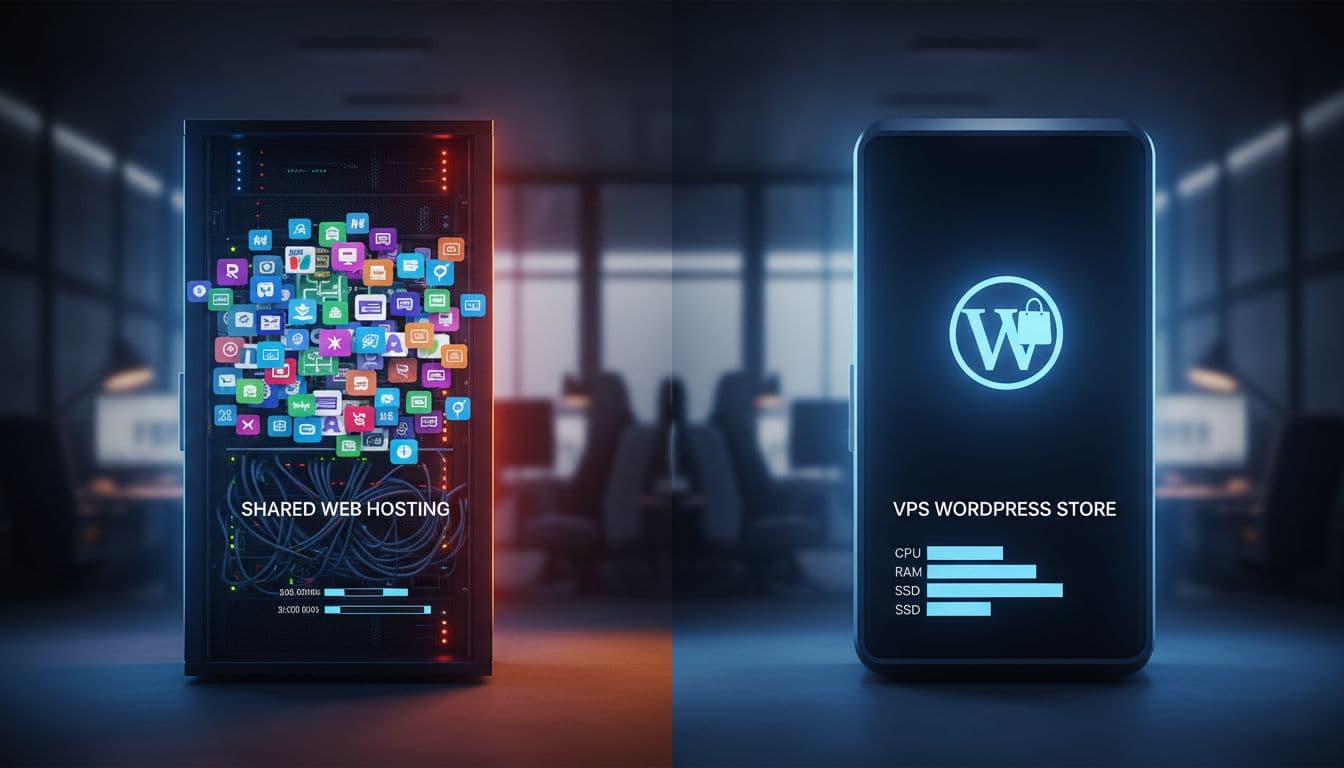
The trade-off is clear. Web Hosting Plus lowers the workload. VPS creates more breathing room.
That lines up with what we’re seeing across hosting in 2026. Managed hosting and VPS remain the main paths for WordPress eCommerce, especially after a store moves past its first growth stage. As a broader managed hosting vs VPS comparison points out, the better choice often comes down to how much time we want to spend running the server versus running the business.
Why Web Hosting Plus is often the smarter first upgrade
For many store owners, Web Hosting Plus hits the sweet spot. We get more power than entry-level hosting, but we don’t jump straight into server-heavy work.
That matters because most of us don’t want to babysit hosting. We want faster pages, smoother checkouts, and fewer support headaches. We want to spend our time on products, content, and customers.
Our Web Hosting Plus plans make sense when a store has started to stretch, but doesn’t need full server control yet. Think of it like moving from a cramped apartment into a larger place with better utilities. We get more room, but we don’t take on the job of building maintenance.
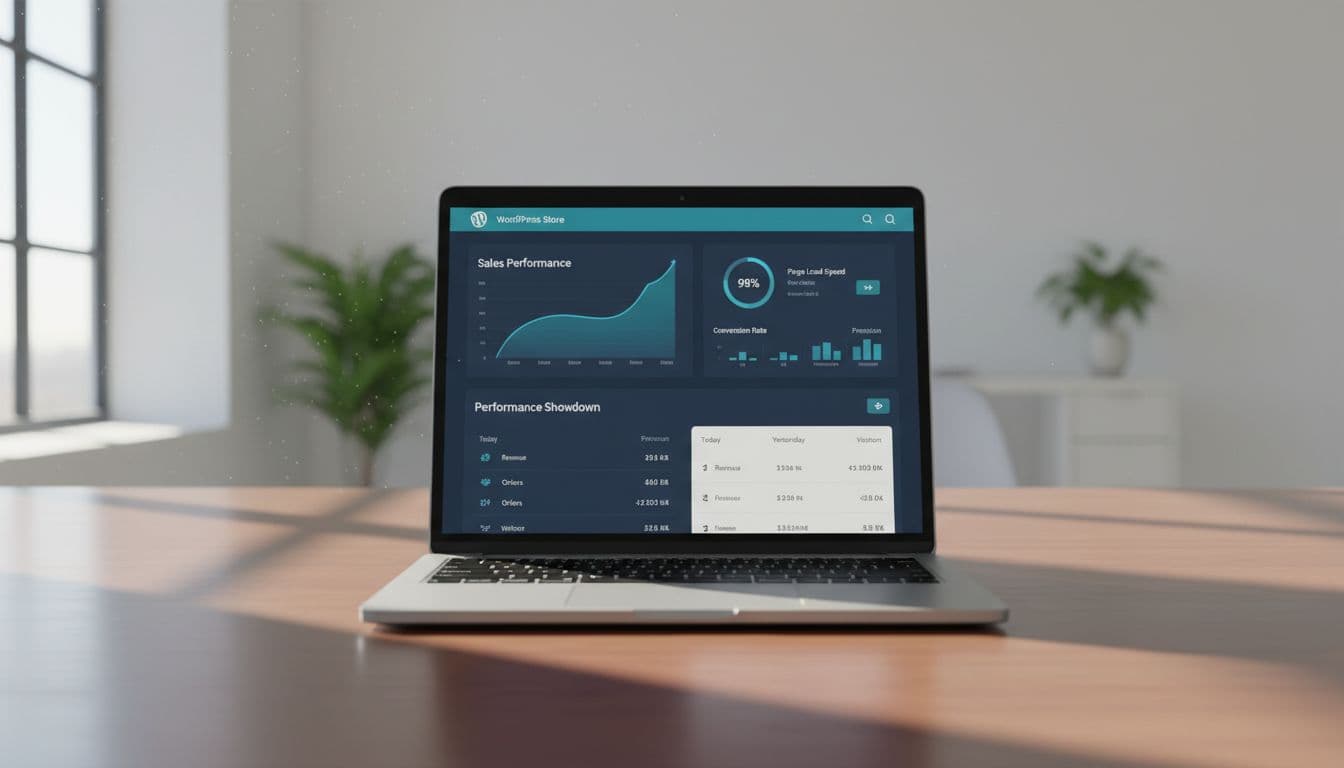
If we want more speed without a bigger technical workload, Web Hosting Plus is usually the right next step.
This option works especially well when traffic is growing in a steady way. Maybe the catalog is getting bigger. Maybe paid ads are starting to work. Maybe the store runs a handful of plugins and needs better stability, not a custom server stack.
It’s also the easier sell on cost. We avoid paying for power we won’t use yet, while still giving the store a better foundation. For many small and mid-size WordPress shops, that’s the practical move, and usually the more profitable one too.
When VPS hosting becomes worth it
VPS starts to shine when the store stops behaving politely. Traffic jumps harder. Plugins hit the database more often. Peak days become less predictable.
At that point, isolated resources matter. With VPS, the store gets its own slice of server power, so nearby sites don’t drag performance down. That can make a real difference for busy WooCommerce stores, especially during sales, product drops, or seasonal spikes.
Our VPS hosting is the better fit when we need more control and more headroom. That could mean custom server settings, heavier caching needs, or room for multiple sites under one plan. It could also mean a team that wants finer control over how WordPress runs.
These signs usually point toward VPS:
- checkout slows during promotions
- the dashboard drags with a large catalog
- the store uses memberships, subscriptions, or custom search
- the team needs server-level control
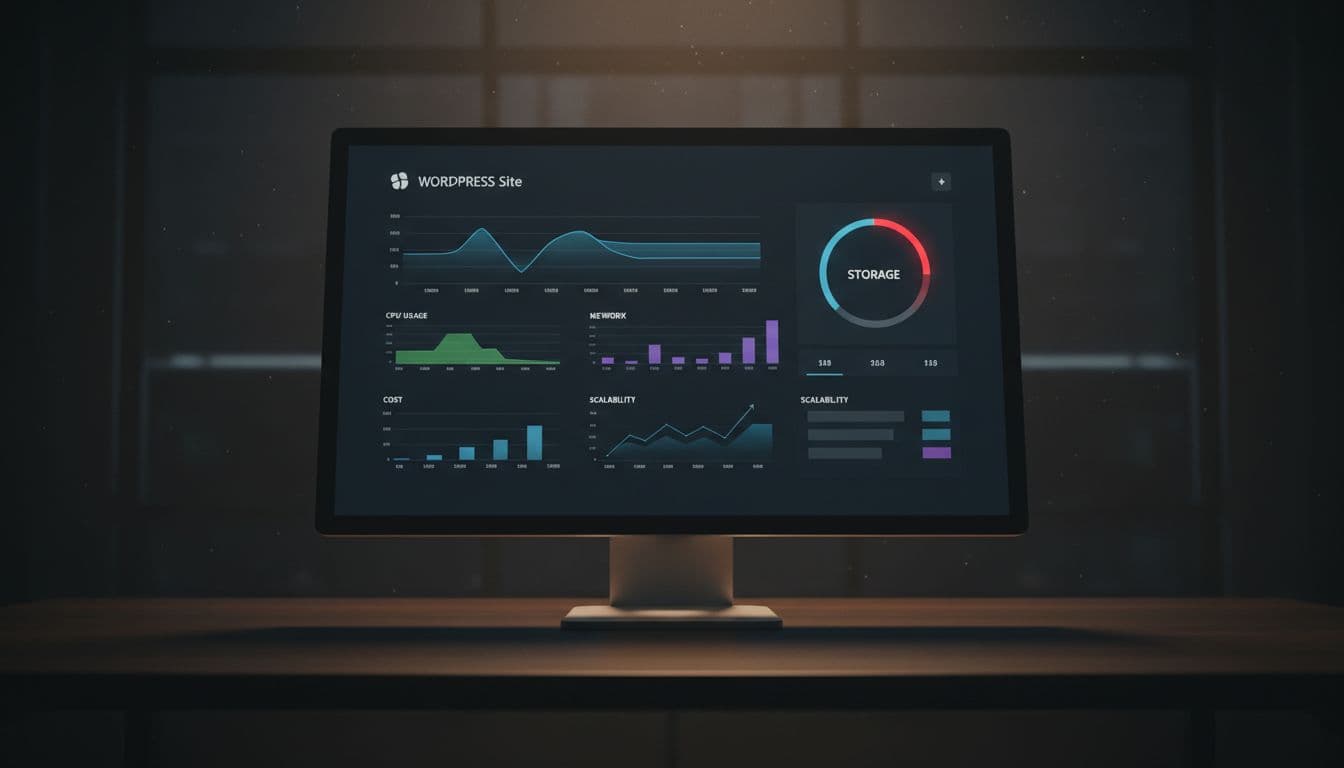
VPS also lines up with where hosting is heading. Managed VPS keeps gaining ground in 2026 because it gives growing stores more power without the cost of a full dedicated machine. A recent guide on shared hosting vs VPS for WordPress makes the same point: once performance and growth become daily concerns, VPS often stops being optional.
A slow store loses trust fast. That’s why this choice matters.
If we want simpler management and a strong upgrade from basic hosting, Web Hosting Plus is usually the better buy. If we need isolated resources, deeper control, and more room for growth, VPS is the stronger long-term home.
The best plan isn’t the biggest one. It’s the one that keeps the store fast today, stable tomorrow, and ready for the next rush of orders.