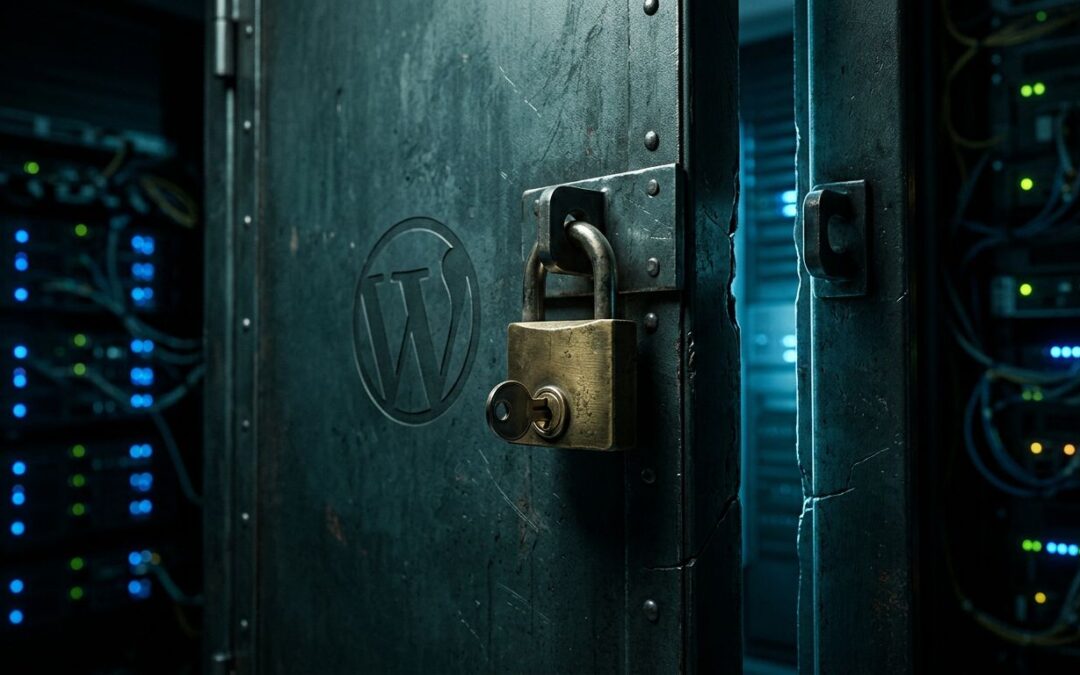
A WordPress 403 error feels like hitting a locked door with the key still in your hand. The site is there, the request is there, but access is denied.
That can be maddening, especially when the homepage loads and one folder, page, or admin screen suddenly stops working. The good news is simple: most 403 errors come from permissions, security rules, or a broken configuration we can fix.
We do not need to guess blindly. We just need to check the right places, in the right order.
What a 403 Forbidden Error Means in WordPress
A 403 error means the server understood the request but refused to serve it. In plain language, something on the site or server is saying “no.”
It can show up in a few different ways:
| What we see | What it often means | First move |
|---|---|---|
| Sitewide 403 error | Server rule, firewall, or permissions issue | Check permissions and security settings |
| 403 on one page or folder | Bad file permission or ownership | Review that file or folder first |
| 403 after a plugin change | Security plugin or rule conflict | Disable the last plugin |
| 403 after login | .htaccess or admin restriction issue | Regenerate permalinks and test again |
If the error started after one change, that change is our first suspect.
We want to work from the simplest fix to the deepest one. That saves time, and it keeps the stress low.

Start With the Fastest Fixes
Before we touch server files, we check the small stuff. It sounds obvious, but it works more often than people expect.
- Refresh the page and clear the browser cache. A stale cached response can keep showing the error even after the site is fixed.
- Try a private window or another device. If the error disappears, the problem may be local, not on the server.
- Disable the last plugin we changed. Security tools, cache plugins, and login protection plugins can trigger false blocks.
- Re-save the permalinks. Go to Settings, then Permalinks, then click Save Changes. This rebuilds WordPress rewrite rules without changing the structure.
- Check the exact page that fails. A media folder, admin page, or single post can point us toward the cause faster than a full-site panic.
If the error clears after one of these steps, we have our answer. If not, we move on with a sharper target.
Check File Permissions and Ownership
File permissions are one of the most common causes of a 403 error. WordPress needs the server to allow the right level of access to files and folders, and one wrong setting can shut the door.
The usual baseline is simple: files often use 644, folders often use 755. That gives WordPress enough access to run without opening the whole site to the public.
A good reference point is WP Engine’s file permissions guide, which walks through the basic 403 fixes many WordPress sites need.
If we use a hosting control panel, this is where an easy file manager helps. Our cPanel web hosting solutions make it easier to inspect files, folders, and permissions without extra friction.
Here is what to look for:
- Files set too tightly, such as 600 or 700 when they should be readable
- Folders set too tightly, such as 700 when 755 is the better fit
- Ownership mismatches after a migration or restore
- A single blocked directory, often inside
wp-contentoruploads
If we change permissions, we should do it carefully and in small steps. One wrong click can create a new problem while fixing the old one.
Repair .htaccess and Security Rules
When permissions look fine, the next suspect is often .htaccess. This file controls rewrite rules and access rules, and a tiny typo can cause a full 403.
The clean test is easy. Rename .htaccess to something like .htaccess-old, then go back to WordPress permalinks and save them again. WordPress will rebuild the file for us.
That one move fixes plenty of cases.
We also need to watch security tools. A firewall, hotlink protection, malware scanner, or login protection plugin can block good traffic if it gets too aggressive. That can happen after a plugin update, a new IP address, or a hosting rule change.
The main culprits are usually:
- Security plugins with strict IP rules
- Hotlink protection blocking images or uploads
- A web application firewall flagging normal requests
- Custom deny rules in
.htaccess
If we recently added security software, we should review its logs before we make broader changes. A false block looks a lot like a broken site until we check the details.
When the Problem Lives on the Server
Sometimes the site is fine, and the server is the one putting on the brakes. That happens with bad ownership after a migration, a host-level firewall rule, or a security system like ModSecurity blocking legitimate requests.
This is where support matters. If we have to keep digging through logs and file paths just to get back online, the setup is fighting us.
A stronger hosting plan cuts that noise down. Our managed WordPress hosting services are built for WordPress setup, backups, and support, so we spend less time chasing permission issues and more time running the site.
For growing sites, that matters. A hosting stack built for WordPress gives us a cleaner starting point, fewer odd permission surprises, and a support team that understands the problem faster.
If we are tired of patching the same access errors over and over, better hosting is not a luxury. It is a practical fix.
How We Keep the Error from Coming Back
Once the site is live again, we want to keep it that way. The best defense is a steady setup and fewer surprise changes.
That means we keep plugins lean, update WordPress on schedule, and avoid random permission edits. We also keep backups close, so if a rule or update goes sideways, recovery is quick.
A few habits go a long way:
- Use trusted plugins and remove the ones we do not need
- Keep backups before updates or migrations
- Check security settings after major changes
- Use hosting with support that can inspect server logs fast
If we want a simpler path, hosting choice matters as much as troubleshooting. A well-run WordPress plan gives us a cleaner base, while cPanel access gives us the manual control we need when something breaks.
Conclusion
A 403 error looks bigger than it is. In most cases, it comes down to permissions, .htaccess, or a security rule that got too strict.
We fix the small things first, then move outward to the server. That approach saves time, and it keeps the site from becoming a guessing game.
When we pair that with the right hosting, the whole job gets easier. Fewer access problems. Faster checks. Less friction when the site needs to stay open.